
A Declaration of Interdependence: 150 Rings, 250 Years, and the Lessons of Lichen
Reflections from Colorado on kinship, resilience, and a murmuration for justice

There is a lichen that grows only on redwoods more than 150 years old. Lobaria oregana does not grow quickly, nor does it appear in every forest. It requires time—generations of time—and the stability of an old-growth ecosystem. This lichen is not a single organism but a union: fungus, algae, and cyanobacteria. Alone, each would wither; together, they form a new lifeform that thrives high in the canopy, feeding elk and deer when it falls, fixing nitrogen, sheltering insects and birds, and even turning bare bark into living habitat. Lichen is both fragile and essential, a quiet architect of resilience. It appears only where patience, continuity, and interdependence have endured.
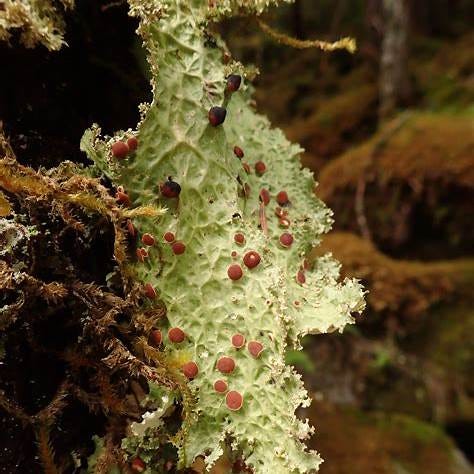
The redwoods that shelter this lichen are among the oldest living beings on the planet. They have stood through fire, storm, and centuries of change. Within their bark and branches, an entire ecosystem is sustained: mosses, ferns, fungi, and lichens forming networks of nourishment and communication. The forest does not thrive because one tree dominates; it thrives because life is layered, cooperative, and resilient.
Forest Relatives
We may not have redwoods in Colorado, but we live with their relatives. Old-growth ponderosa pine and Douglas fir still stand in patches along the Front Range. Ancient limber pines cling to high ridges, bent and twisted by centuries of wind. Aspen groves, though appearing as thousands of trees, are actually one living organism, joined by underground roots, regenerating after fire and storm. Along the South Platte and Cherry Creek, massive old cottonwoods stretch their branches like memory keepers, hosting owls, eagles, and countless lichens and mosses on their bark. These are our cousins, our kin in the high desert and mountain forests, holding continuity through time just as the redwoods do on the Pacific coast.
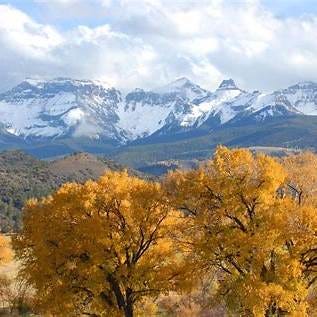
Like the forest, Colorado carries its own layers of time. In 2026, the United States will mark 250 years since the Declaration of Independence, concurrently with Colorado’s 150th year of statehood. These anniversaries are often described as “birthdays,” but a nation is not born the way a child is born. A nation is man-made (I use “man-made” deliberately, as these systems were historically created by a narrow caste of ruling-class men with wealth, leaving out the voices of the majority in the community.)
Rings and Scars
Like the rings of a tree, these numbers mark time—not as simple beginnings, but as layers of struggle, survival, and change. Each ring tells of storms weathered, fire scars carried, years of abundance and years of hunger. Colorado has 150 rings as a state; the nation has 250. The question before us is: what story will the next ring hold?
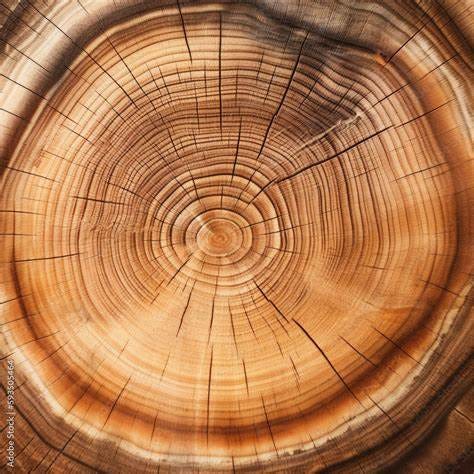
The Declaration of Independence, simple as it was, planted a seed—not of the government we see today, but of a truth of human nature: that people long for liberty, dignity, and voice. It was written with blinders to the devastation it was building upon—genocide, slavery, land theft, exclusion—but even so, it carried within it a crack. And as Leonard Cohen sang, a crack is where the light gets in.
The truth, however, is not only in parchment or pronouncement. It is in the lived and witnessed history of people and land. It is carried in memory, in struggle, in songs and stories braided into survival. It cannot be erased.
Colorado’s Soil of Memory
Here in Colorado, the land itself holds those truths. The state’s founding in 1876 came in the midst of the violent displacement of Ute, Arapaho, Cheyenne, and other Indigenous peoples who had stewarded this land for thousands of years—and who continue to lead in that stewardship today. Denver, Leadville, Cripple Creek, and countless other towns grew from the rushes of gold and silver, the railroads and smelters—all made possible by broken treaties, stolen ground, and decimating natural resources. And yet, from this soil grew lives, families, cultures, and communities who endured and still endure.
Our present political moment feels like a storm upon this land. The bluster of the current administration is the cracking of a brittle system, grown rigid with inequity and long overdue to break. Agencies have been dissolved, histories erased, protections dismantled. Rights for women, LGBTQ+ people, immigrants, and even the earth itself are under relentless attack. But collapse is not the end of justice—it is the breaking open of illusions. In the forest, certain seeds require fire to open. Some truths only sprout after everything false has burned away.
The Lichen’s Lesson
And that is where lichen becomes our teacher. After fire or collapse, it is among the first to return, transforming rock into soil, death into fertility. It teaches us to rebuild from core—not clinging to what has failed, but beginning again with patience, relationship, and cooperation.
Like lichen, our next declaration is already alive in the cracks of collapse. Not a Declaration of Independence alone, but of Interdependence: a living covenant of human rights, planetary rights, sufficiency, mutual aid, and shared worth.
The soil of Denver and Colorado is filled with these truths. It holds the memory of enslaved Africans who carried freedom through generations in their songs and stories—not only carrying the truth of history in their lived experiences and the flame of freedom in their hearts but continuing to speak it loud today. It holds the wisdom of Indigenous nations who continue to fight for sovereignty, recognition, and the right to live in right-relation with the land—practicing stewardship that nurtures the earth while holding accountable those who refuse to center its wellbeing. It holds the lives of queer and trans people who resist erasure through courage and love, living in defiance of imposed roles and embodying the creativity of authenticity. It holds the footsteps of immigrants and refugees from every continent, seeking refuge from the very power struggles that shaped this nation. It holds the labor of women—trapped in domestic roles and under glass ceilings, yet always on the front lines, whether recognized or not. And it holds the voices of children—ignored, abused, and silenced in households and institutions, sent to boarding schools, trafficked, undereducated, overpoliced—yet still dreaming, still speaking truth when adults forgot how.
This soil does not only hold the story of our pain. This soil holds our story of resilience—nutrient-rich with fortitude and survival. It holds the descendants of enslaved Africans who shaped culture, music, and movements that continue to guide this nation. It holds Indigenous people who, despite every attempt at erasure, remain rooted in sovereignty and continue to teach what it means to live in right-relation with the land. It holds queer and trans people who embody truth and creativity, modeling the courage of living as they are created. It holds immigrants and refugees who rebuilt lives from displacement, adding their labor, languages, and dreams to the fabric of our communities. It holds women who kept families, neighborhoods, and movements alive—turning the so-called “private” sphere into a base of resistance and power. And it holds children and youth who, even when silenced or harmed, keep imagining futures their elders could not yet see.
It was not the “Nation” that built our infrastructure, advanced sciences, designed architecture, art and literature, nurtured spirituality, and carried forward deep understandings of equity and human rights. It was the union of the diversity of these communities—together, like the lichen’s union of fungus, algae, and cyanobacteria—that created resilience and possibility, distinct yet interdependent, stronger together than alone.
Toward a Declaration of Interdependence
If we were to draft such a declaration today, it would begin with truths older than parchment: that the land itself sustains us, that no voice is disposable, that justice is inseparable from ecology, that resilience comes not from domination but from cooperation. It would honor sufficiency rather than greed, kinship rather than conquest, memory rather than amnesia. It would call us not to independence, but to interdependence—because our survival depends on it.
This is not only philosophy. It is practice. We see it in mutual aid networks, neighborhood organizing, immigrant solidarity, queer joy, Indigenous sovereignty movements, labor unions, women’s strikes, youth climate marches. These are the lichens of our time: small, resilient unions creating the soil from which a new future can grow.
From Denver to a Wider Murmuration
As we gather locally—in Denver, in neighborhood bookstores and church basements—we awaken the wider network of individuals, families, faith communities, and movements of resistance and resilience. Like the mycelium and tree roots beneath the forest floor, messages and nourishment move invisibly between us. Like migrating animals carrying seeds across regions, the word and the work travel farther than we imagine.
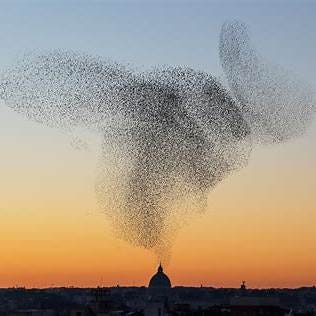
And like the murmuration of starlings—hundreds of thousands creating patterns of breathtaking beauty—the change we need does not come from reaching everyone at once. Scientists found that each bird orients to only seven of its neighbors, and yet from these small connections emerges a choreography that seems impossible. This is a reminder that the scale of transformation does not depend on grasping the whole world at once. It depends on how we live with the people closest to us—our seven neighbors, our immediate kin.
What begins as small acts—patches of lichen, pockets of gathering—becomes, like a murmuration, something more than its parts.
Nature teaches us that communication and cooperation run deeper than we know. In the forest, mycelium links trees and plants in hidden dialogue. In the microscopic world, bacteria share resources through quorum sensing, improving the life of the whole. Plants, insects, fish, and birds all carry this same blueprint of interdependence. Isolation is not the baseline; cooperation is. And when enough of us awaken to that truth, the scattered notes become symphony, the small gatherings become murmuration, the fragments become covenant.
This is how we will build the next phase together—not through every man for himself, but by re-membering ourselves into community, as our creation story intended. To become a murmuration of justice and resilience, a covenant of shared life, a Declaration not of independence but of interdependence.
(You can listen to Zach Bush’s reflection on murmuration [here]
Bravo, Lisa! You have articulated with amazing vision, clarity and simplicity what the next ring in the tree of our development can be by implementing the patterns of Nature that consistently and systematically have restored the assailed earth and her people to new beginnings. The time is ripe for a celebration of INTERDEPENDENCE and a commitment to cooperation and transformation. Your article gracefully and generously inspires us to trust and honor our intrinsic capacity to share in "kinship, resilience, and a murmuration for justice" as we treat the deep scars the current chaos of our times have left.
lisa, this is so beautiful. the way you tie land and lichen into resilience feels alive in my bones. i love how you framed lobaria as a union that thrives only in the patience of old growth — fragile and essential, yet quietly architecting life for everything around it. that image of lichen as teacher, returning after fire to begin again, really stays with me. thank you for weaving memory, land, and interdependence together with such clarity and heart.